
Hokianga Heirloom Tomatoes

Will El Niño Affect Your Tomatoes?
Four Ways To Prepare For a Dry Summer
For those in a hurry to get back to the garden.
Mulch deeply.
Reduce the wind.
Support beneficial insects.
Choose indeterminate tomatoes.
Those four decisions could make all the difference in a hot, dry summer.
Now for the longer version, read on!

First of all, I don't want to come across as an alarmist. I want you to see the strategist.
There is a quiet privilege in living and growing food in one place for many years. Over time you begin to notice things that can't be learned from a weather forecast or a gardening book.
You remember the summers that tested your tomatoes, the winds that never seemed to stop, the insects that arrived early, and the small decisions that made all the difference.
I've been fortunate enough to observe those patterns here in Hokianga, season after season. I've made mistakes, learned from them, and filled journals with observations that have gradually changed the way I garden.
With El Niño once again dominating the headlines, many gardeners are wondering what this summer might bring.
The truth is, none of us knows exactly how the season will unfold.
What we can do is prepare.
If the coming months are hotter, drier and windier than usual, there are four simple things I believe will give your tomatoes the best chance of thriving. These aren't theories borrowed from the internet. They're practical lessons that have earned a permanent place in my own garden.
I hope they help you in yours.
Mulch
The Difference Between Surviving and Thriving
If there's one thing I would encourage every gardener to do before a dry summer arrives, it's mulch. It could be the difference between simply keeping your tomatoes alive and watching them thrive.
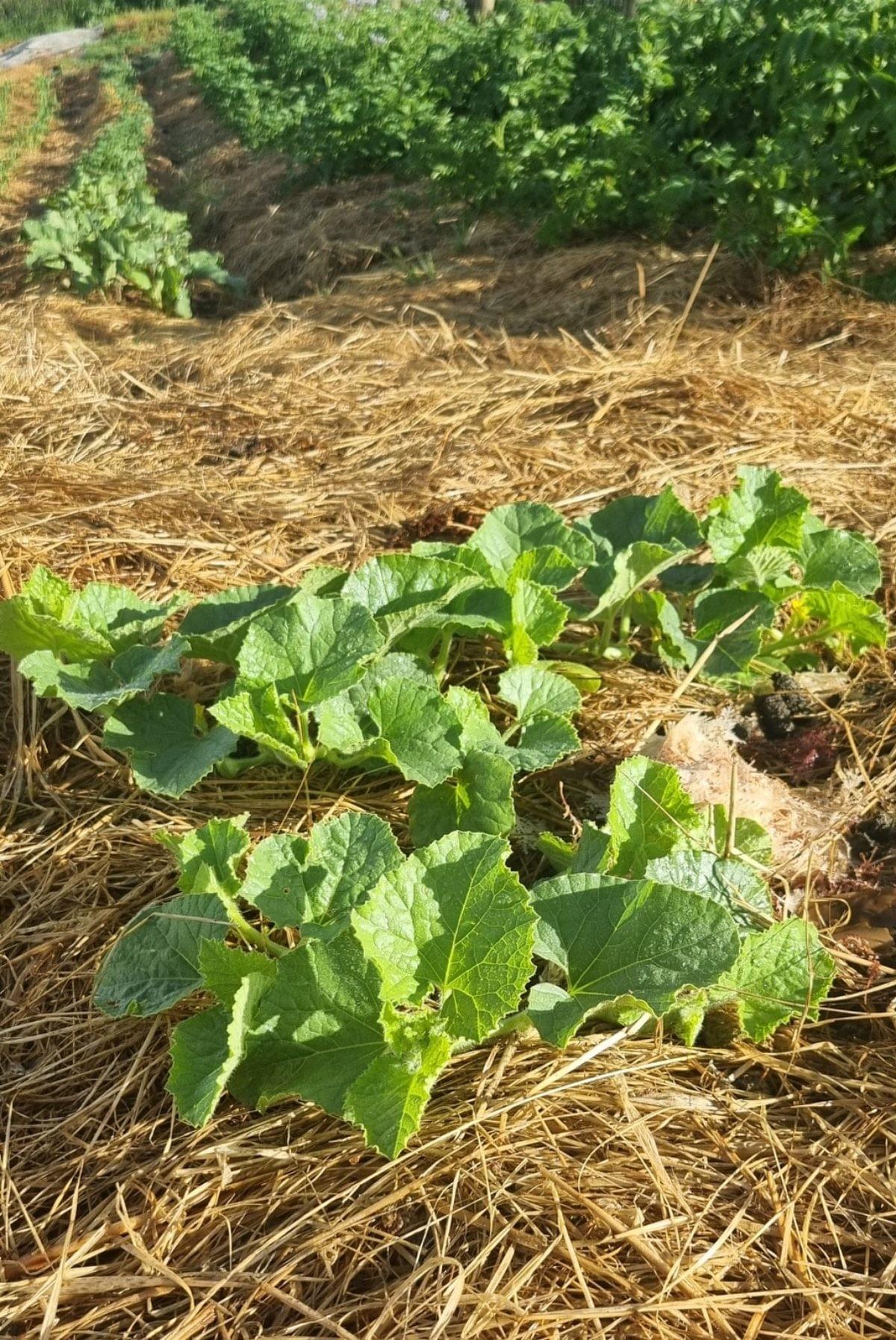
If this summer turns out to be hot and dry, mulch could be one of the most important things you do for your tomatoes.
A layer of mulch around 5 cm deep helps slow evaporation, keeps the soil cooler, and allows more of the water you apply to remain available to your plants. Too little mulch and the soil dries quickly. Too much can slow water movement into the soil. Around 5 cm has consistently given me the best balance.
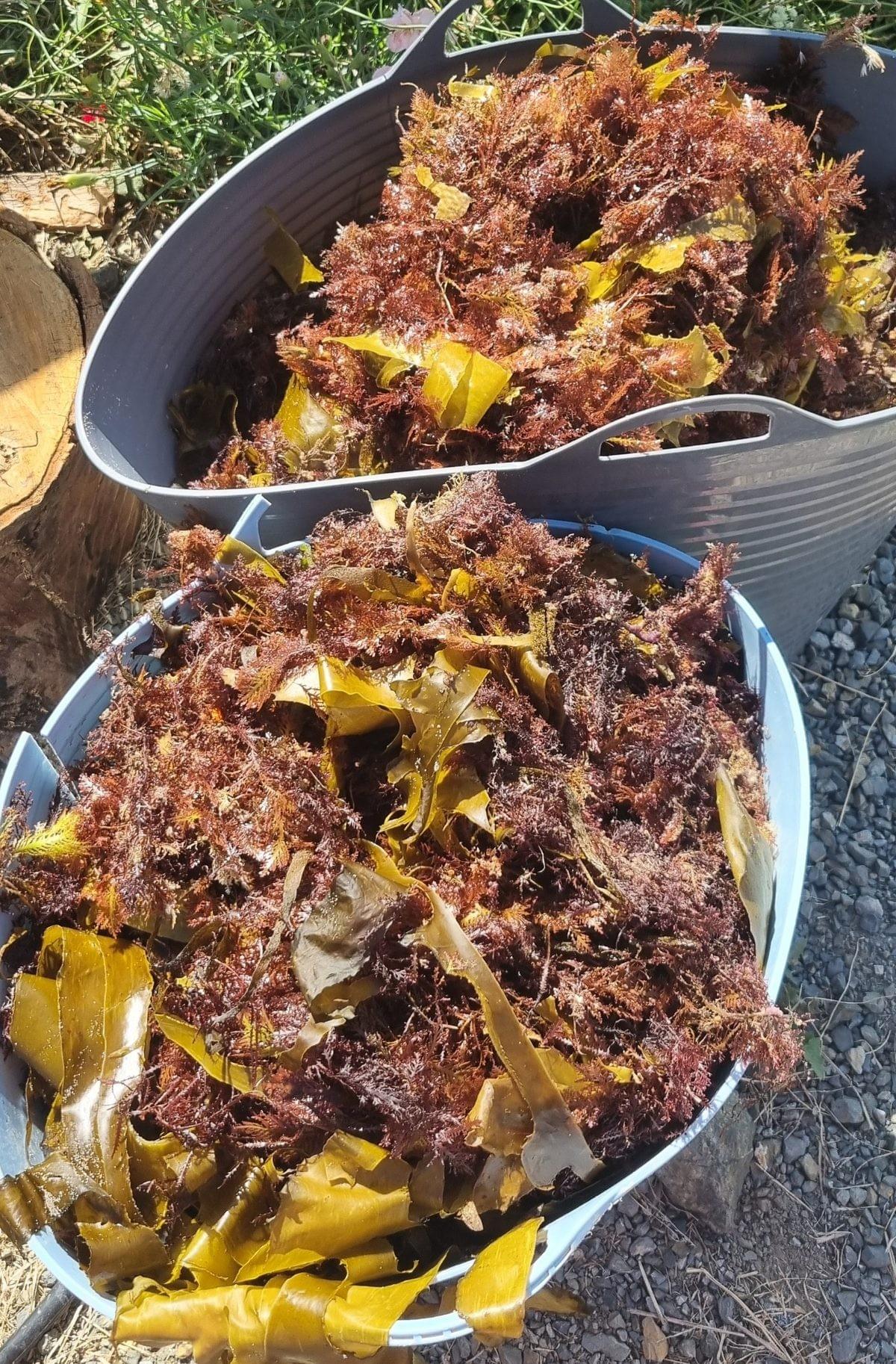
Think of mulch as a protective blanket for your soil. Instead of the sun and wind stripping away precious moisture, the mulch helps keep it where your tomato roots need it most.
In a dry summer, every litre of water becomes more valuable. Mulching doesn't create more water—it simply helps you make better use of the water you already have.
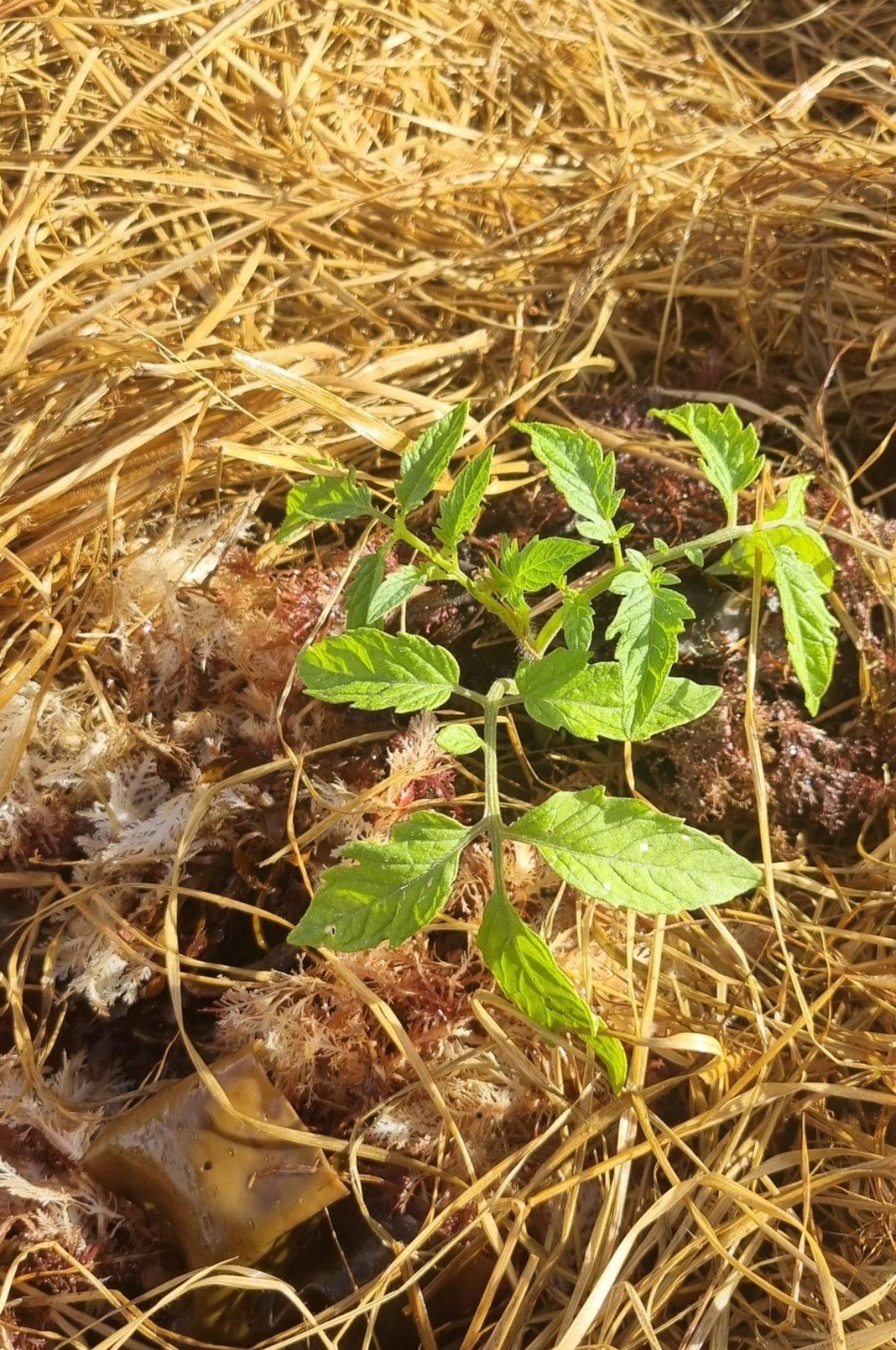
Sometimes the simplest jobs have the biggest impact.
Wind
A relentless thief.
If mulch protects the soil, then wind protection protects the plant. During a dry Hokianga summer, warm westerly winds can blow for days, even through the night. Plants never really get a chance to recover.
One of the biggest challenges isn't just the lack of rain, it's the constant movement of warm air. Every breeze draws moisture from the leaves, forcing your tomato plants to work harder simply to stay hydrated.
Wind is invisible until it touches your plants. Then you see it.
You see leaves curling to conserve water. You see flowers dropping. You see the soil drying faster than you expected. What looked like a healthy plant a few days earlier can quickly begin to struggle.
Anything that slows the wind can make a noticeable difference. Fences, hedges, shrubs, companion plants, or even temporary windbreak cloth can reduce moisture loss and create a calmer environment for your tomatoes.
Plants need movement, but they also need periods of calm. During a long, dry summer, giving your tomatoes relief from relentless wind can be just as important as watering them.
Sometimes the greatest protection isn't adding more water.
It's stopping the wind from stealing it.
Give the Predators the Edge
A healthy tomato garden isn't just full of plants. It's full of life.
One of the best ways to prepare for a dry summer is to create a garden where beneficial insects have every advantage. Rather than waiting for pests to arrive and then reacting, build a habitat that supports their natural predators from the very beginning.
Adult predatory wasps need nectar. Young wasps need meat.
The adults feed on nectar from small flowers such as yarrow, coriander, dill and alyssum. Many of these flowers are perfectly shaped for their tiny mouthparts, while larger insects often ignore them in favour of bigger blooms.
That means these plants provide an important food source for some of your garden's hardest-working allies.
Once the adults are well fed, they lay their eggs in or near caterpillars, aphids and other garden pests. The developing larvae consume these pests, helping to keep populations under control without the need for sprays.
This is the real purpose of a guild. It isn't simply about planting flowers beside tomatoes. It's about creating a habitat where predators and prey both exist, while ensuring the predators always have the advantage.
When nature is supported, it often does the hard work for you.
Choose Tomatoes That Get Another Chance
Indeterminant vs Determinant
Not all tomato varieties respond to summer heat in the same way. If you're expecting a hot, dry season, your choice of variety could make a significant difference.
High temperatures can interfere with pollination and increase the risk of blossom drop. When that happens, flowers may fail to develop into fruit.
This is where indeterminate tomatoes have a real advantage.
Unlike determinate varieties, which produce most of their flowers and fruit over a relatively short period, indeterminate tomatoes continue to grow and produce new flower trusses throughout the season. If one flush of flowers is affected by extreme heat, another will follow when conditions improve.
Determinate tomatoes are excellent plants and have their place, especially where gardeners want a concentrated harvest. But in a season where weather is unpredictable, indeterminate varieties provide something incredibly valuable:
Another chance.
That extra opportunity to flower and set fruit can make all the difference after a hot spell.
Sometimes resilience isn't about growing a tougher plant.
It's about growing a plant that gets another chance.
© 2025 Tomato Love | Epic Tomato Source for heirloom seeds and seedlings grown in Hokianga. Cultivated with love, history, and mana.
“He iti, he pounamu.”
